Running Shoes
Training shoe sizing for track practice.
Source review in progress
Track & Field
Track and field gear sizing centers on footwear — training shoes for practice and spike shoes for competition. Most youth athletes train in standard running shoes and only add spikes when racing. Spike plates vary by event (sprint vs. distance vs. field), so event type matters before buying.
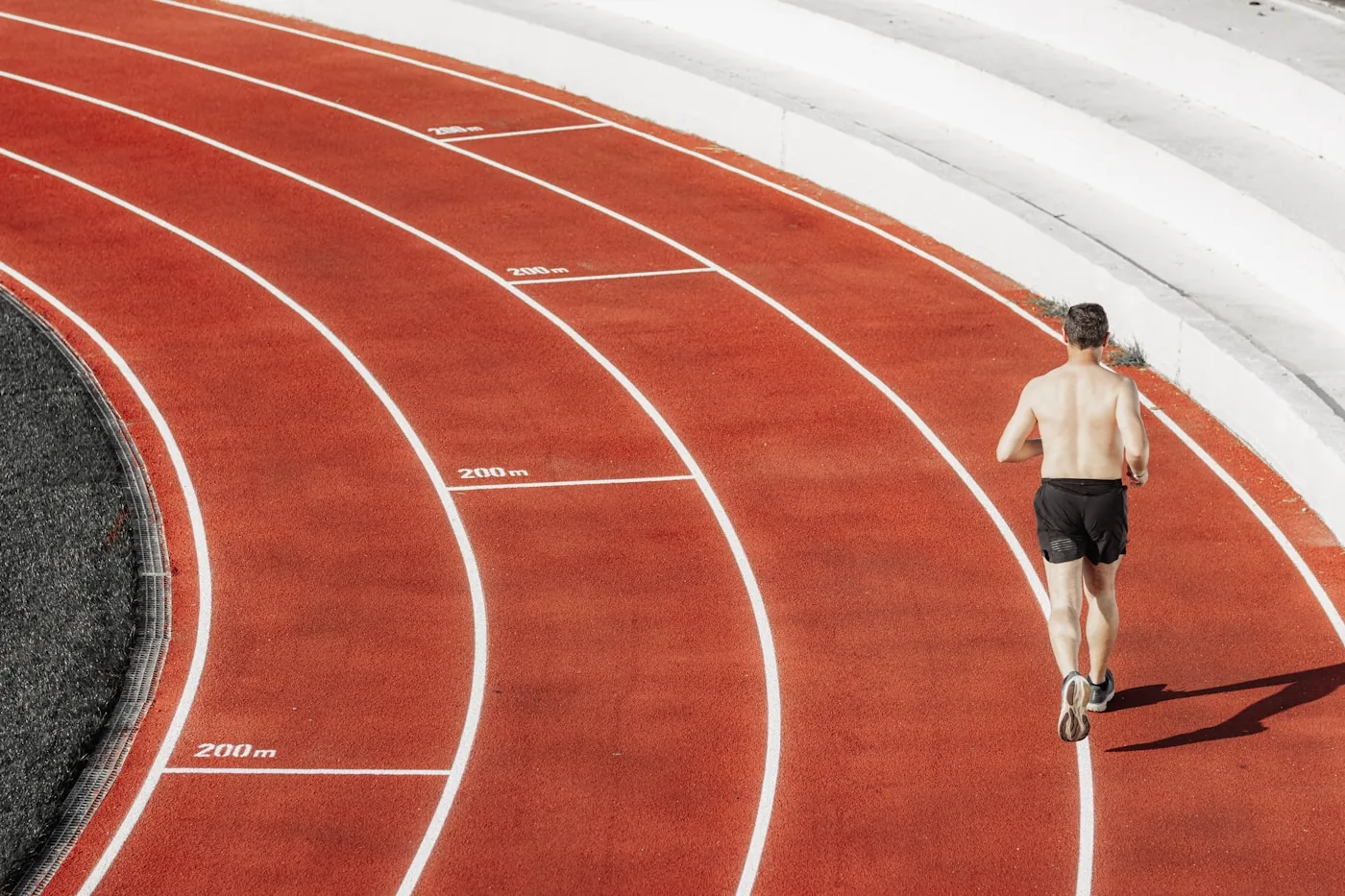
Photo: Unsplash
Enter age, height, weight, skill level, and gear type.
Choose the equipment
Training shoe sizing for track practice.
Source review in progress
Track spike sizing by event type.
Source review in progress
Track & Field buying path
Not always. Many beginner youth programs allow or prefer running shoes, especially at younger ages. Ask the coach before buying spikes — the event and surface matter for picking the right spike plate too.
Sprint spikes have a very stiff, aggressive plate that puts you on your toes and are not meant for long distances. Distance spikes are more flexible and cushioned. Multi-event or cross-country spikes are more versatile and a safer choice for beginners who aren't sure which events they'll run.
Sprint spikes often fit a half size smaller than running shoes for a snug racing feel. Distance and cross-country spikes usually match running shoe size. Always go by comfort and toe room — the foot should be secure without pinching.
Answer 4 quick questions — sport, gear type, age, and height — and get a beginner-safe size range plus what to avoid.